01 / Philosophy
Psychopompic presence
Psychopomp is an old word for a guide of souls. Here, it names the willingness to walk beside another person toward death without trying to control the crossing.
Explore the philosophyAccompaniment in the final 72 hours
Daniel DeLoma’s work centers on accompaniment during the final 72 hours of life, when listening, vigil, touch, silence, ritual, and the rhythm of the heartbeat can help patients, families, and caregivers remain connected.
To listen. To remain.
To accompany.
At the threshold
“We cannot cross the threshold for another person. We can walk with them toward it.”
Accompaniment begins by listening for what comfort, dignity, and presence mean to the person who is dying. The task is not to control the crossing, but to remain near.
Ways of accompanying
Each begins with the same question: how do we remain present as another person approaches death?
01 / Philosophy
Psychopomp is an old word for a guide of souls. Here, it names the willingness to walk beside another person toward death without trying to control the crossing.
Explore the philosophy02 / Practice
Doula and bedside practice give accompaniment a structure through sustained presence, listening, family support, ritual, breath, touch, silence, and clear boundaries within the plan of care.
Explore vigil formation03 / Method
MHbT is one contemplative tool within the larger practice. It brings heartbeat, breath, focused listening, imagery, and silence together to support connection when words may be falling away.
Discover MHbTFeatured webinar
A practical and contemplative introduction to heartbeat-centered presence when psychedelic care is unavailable, inappropriate, or not desired.
Daniel explores how MHbT may support meaning, connection, and expanded states of awareness while remaining grounded in hospice, palliative, and spiritual care.
Begin where you are
Some arrive as family caregivers, others as clinicians, chaplains, doulas, or simply people trying to understand what presence can mean as death approaches.
For families
Find gentle guidance for the final hours and days, with no clinical training or special equipment required.
Caregiver resourcesFor professionals
Explore experiential workshops, team training, and immersive formation in accompaniment, vigil care, and MHbT.
Professional trainingFor learners
Learn how heartbeat, rhythm, breath, touch, listening, and presence can become a language of accompaniment.
Explore the methodLearn the practice
From a focused introduction to an immersive mentorship, each offering is grounded in bedside hospice care and designed to be experienced, not merely explained.
01
An accessible, experiential introduction for individuals who want to encounter MHbT without waiting for an organization to host.
02
A focused first encounter adapted for hospice teams, clinicians, chaplains, doulas, caregivers, and community groups.
03
Deeper clinical, spiritual, and experiential learning tailored to your organization and care setting.
04
A 100-hour pathway combining a 25-hour immersion with 75 verified bedside hours and MHbT End-of-Life Vigil Doula certification.
The practice at a glance
A recording is one option, not a requirement. The rhythm may be sensed, heard, or brought into awareness in the way that best fits the patient and the moment.
01
The heartbeat offers a living point of connection to the body, the present moment, and the person’s continuing life.
02
Breath, listening, touch, silence, or a recording may help create a shared contemplative space without requiring words.
03
MHbT can be adapted for verbal or nonverbal patients, including people living with dementia, with close attention to comfort and response.
Clinical observations
188
participants in an observational study alongside standard comfort care
84%
showed improvement in assessed indicators of anxiety and pain within 4 to 6 minutes
MHbT is not understood to alter the pharmacologic action of medication. The findings suggest that rhythm-based presence may support comfort while standard measures are being provided.
Read the study summaryWhere the work has traveled
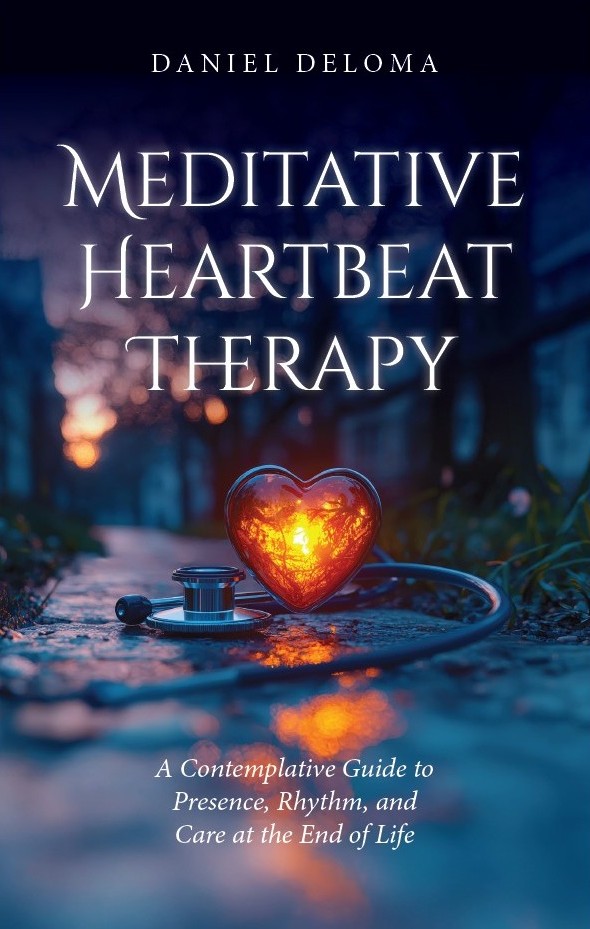
The book behind the practice
A Contemplative Guide to Presence, Rhythm, and Care at the End of Life
The book brings the philosophy, bedside origins, clinical-spiritual framework, and contemplative dimensions of MHbT into one place. It is written for clinicians, chaplains, doulas, caregivers, and anyone seeking a more present way to accompany the end of life.
Published by Apocryphile Press.
Begin a conversation
Attend a quarterly public workshop or invite Daniel to bring this work to a hospice, conference, university, faith community, or caregiver group.